Walking away from the Western Cemetery,
An exposed hill-top near the M25
Where the north London Jews choose to bury
their dead, I saw a bus stop poster of
a film called The Iron Lady with a picture
of my grandma on it. It was disconcerting
seeing her staring back at me, unsmilingly
looking me square in the eye, just an hour
after I’d watched the rabbi and his burly
assistant lower her body into the ground.
As I got closer to the poster I could see
it was Meryl Streep made-up as Margaret Thatcher,
but still the likeness to my Grandma
held true, sharing as she did the bouffant
hairdo, skin untouched by sun and the
‘lady is not for turning’ attitude
of the famous scourge of union men.
I’m taken back to when I was eight,
and my sister’s ten. We’re staying over
at grandma and grandad’s for the weekend.
We’re sat down at the dining table, staring
at fine-art place mats, with silver cutlery
set out with such precision it would satisfy
the most pernickety Swiss. Grandad sits
down, looking like an aged cat but not
quite as awake. Grandma brings in the soup,
the chicken soup, the Jewish chicken soup
which is the best thing on earth but also
a subtle way of saying : whoever
your father is, you’ll always be a Jew.
The conversational sparring starts:
Grandma asks us what we think about
Neil Kinnock’s chances of being elected.
My sister trots out the playground line that
“he’s gotta be better than that dreaded milk-snatcher.”
Grandma tells her that she should pronounce
her middle t’s better. Grandad agrees.
I say the soup is wonderful. Grandad agrees.
Grandma then asks us if we like the opera.
My sister says she prefers Madonna.
I say I’d love to hear some just as soon as
we’ve finished this marvellous dinner.
My sister kicks me hard on the shin.
At the end of the weekend, mum and dad
Pick us up in our brown Ford Cortina.
I stay quiet while my sister unleashes
a tirade against Grandma: she denounces
the demands placed upon her to be better spoken,
better dressed, more grown-up, less like herself,
and mum calmly says, “Whatever she did to you
It’s not half of what she put me through.”
And you can tell by her tone that it’s true.
Fifteen years later, I’m at the Royal
Opera House with grandma. She’s frail
And needs my arm to get to the seat
She got cheap with her disabled pass.
The opera begins: I understand little but
can see there are a lot of Russians on stage
singing at each other, and killing each other
and grandma, at a glance, seems pleased.
During one particularly savage scene
I give her hand a squeeze, and she squeezes too.
When the actors who’ve not yet been slain
take a break she unwraps fishcake sandwiches
which we share. The rye bread and fried salmon
Taste like the old country she clings to,
but I’ve never known. They taste, maybe,
like a token of love from a woman who
could sometimes be mistaken for the Iron Lady.
She is already the UK’s leading writer, with her novels, memoirs and style books a fixture on the bestseller lists.
But for a polymath such as Katie Price, whose only remaining literary rival is eighteenth century lexicographer Samuel Johnson, that was never going to be enough. Today, in the first-ever edition of the Sun on Sunday, she adds another string to an increasingly packed bow.
Yes, Katie Price has become a columnist. Combining razor-sharp political analysis with the common-sense wisdom of an ordinary mum, the column, entitled Katie Price, has it all.
The main piece is a hymn to family values, suggesting that it is bad parents who are to blame for Broken Britain, not bad schools. She outlines her theory thus:
“It doesn’t matter what school you go to – it’s family that really makes you who you are. I went to a state school – and look how well I’ve done. That’s because I had a sense of family.”
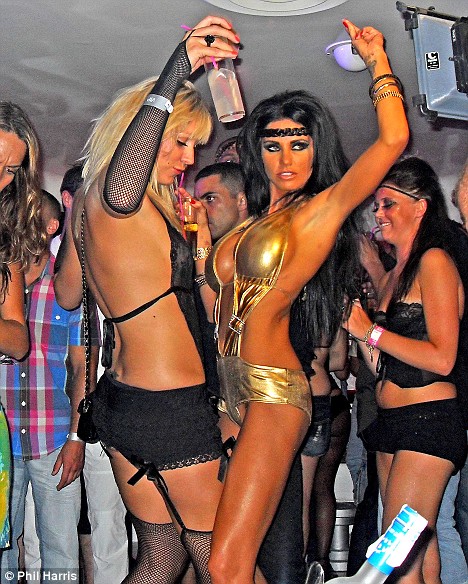
Anyone who saw Katie Price in her orange-skinned, multiple boob-jobbed heyday, slinging champagne down her neck whilst wearing little more than fake eyelashes and one of Alex Reid’s skirts couldn’t help but draw the conclusion that here was a woman who was achieving success through good, solid family values.
While Price’s longer works of penmanship are without doubt hard-hitting and thought-provoking, she has the ability to ‘get it said’ in remarkably concise fashion.
In a small piece on the left-hand column, just below an image of the correspondent in a demure below-the-knee blue dress, are words as wise as they are heartfelt. For it is here that she turns her felicitous pen to the tragic demise of pop star Whitney Houston, 48.
Katie is, like many of us, a huge Whitney fan. She had Houston’s music played at both her weddings, which shows a stubborn spirit which Churchill would admire.
Here I should let Katie take up the story:
“I felt so sad watching her funeral on TV because there should have been more dignity. I know I’ve lived a lot of my life in front of TV cameras – but death is different. Whitney’s funeral should have been a private affair, not a circus.”
It is Katie Price’s ability to get to the nub of the matter that separates her from lesser writers, such as William Hazlitt.
She rightly makes the not oft-made point that death, when compared with life, is different. There is simply no arguing with that kind of logic. It is inescapable, just like death itself.
Seven months after the demise of the News of the World left the millions people who read it every week without sustenance on a Sunday, it is heartening that Murdoch’s ready-made replacement contains such words of wisdom. While the Sun on Sunday inevitably lacks some of that vigour which only phone hacking can bring, with the advent of Katie’s (doric) column, one imagines that the readers will flock to News International’s newest newspaper in their droves.
What rhymes with bigger? What rhymes with trigger? What rhymes with figure, jigga, gravedigger and cigarette? What rhymes with the friend of Winnie the Pooh who wasn’t Eeyore, Christopher Robin or Piglet?
It’s a versatile word, yes, but the world would definitely be better if every rapper was banned from using his favourite epithet It goes without saying that its flippant use in pop songs has got to be wrong To spray the word like dirty fertiliser upon the earth To use the term to wrap raps around is absurd When we heard that if this word was spoken by black men Their contribution would always be token
Right?
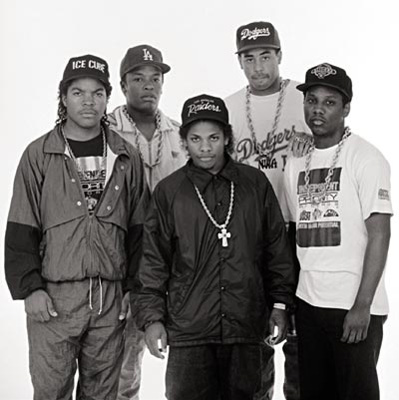
Maybe, But why did Ice Cube name his band NWA and not BMEMWA: Black Minority Ethnic Men With Attitude? Could it be that he had learnt that men like him Had spent 400 years not even being seen So when he got up on the mic Forgoed platitudes about the American Dream Instead got heard by lacing his verse with savage language So a racist could hear everything he was afraid of From unrestrained hate through to pussy lust and gun love
This wasn’t high art But vexed brothers blazing a path Giving a generation of wordsmiths the chance To exercise their first amendment right to rhyme tight On worthy subjects like hoes, blunts and Smith & Wessons Until rap became more all-American than John Wayne westerns And 20 years after Straight Outta Compton And two decades of relentlessly negative self-portraits of black men America had such a low opinion of this race of untermensch That they rejected a white war hero, and elected a black President
I have written a poem about snow. And, to prove it, here it is. I hope you enjoy it.
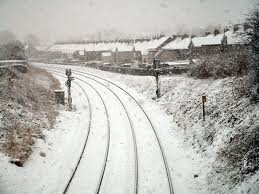
Southern Railway working around the clock to get the trains running
Cool and patient
I stand at the station
waiting for the commuter train which may or may not come.
The 7.54 has been cancelled
some say there’s still hope for the 8.17.
I’m cool. I’m patient.
I’ve been here too make any quick alterations,
too long for any big deviations.
Snow is falling,
gentle as a lover’s little finger stroking the back of my neck
which, through some sort of El Nino effect,
causes a loudspeaker to blast a harsh message
announcing the suspension of passenger services.
Shoulders slumped, curses muttered,
the wage slaves shuffle out
barking into phones about working from home
and when I’m left on the platform all alone
bend to gather a handful of snow
make a soft, sweet ball
take aim
and have a throw.
I have always been mildly perplexed by Jay-Z’s pre-eminence in the rap game. He is not the best rapper, nor the most inventive or best produced. His monotone delivery is tedious when compared with Ghostface or Eminem. His lyrical content tends to shift between the contents of his bank balance and reminiscences about his youthful work experience.
I remember being given a white label of his Hard Knock Life album. I was getting nicely into Big Pun at the time, a rapper of astonishing wit and verbal dexterity. In comparison, Jay-Z seemed tame, and despite a somewhat amusing title track featuring the orphan Annie, Hard Knock Life was seriously below the late-90s average.
However, a decade or more on, there Jay-Z still is, still making that ridiculous ‘cheah’ sound before beginning yet another limp boast, on another pop hit.
So, the time has surely come to ask: how did Jay-Z rise to the top? And, more important, how does he stay there? Here I search through the history books to find some parallels to explain the phenomenon that is Jigga.
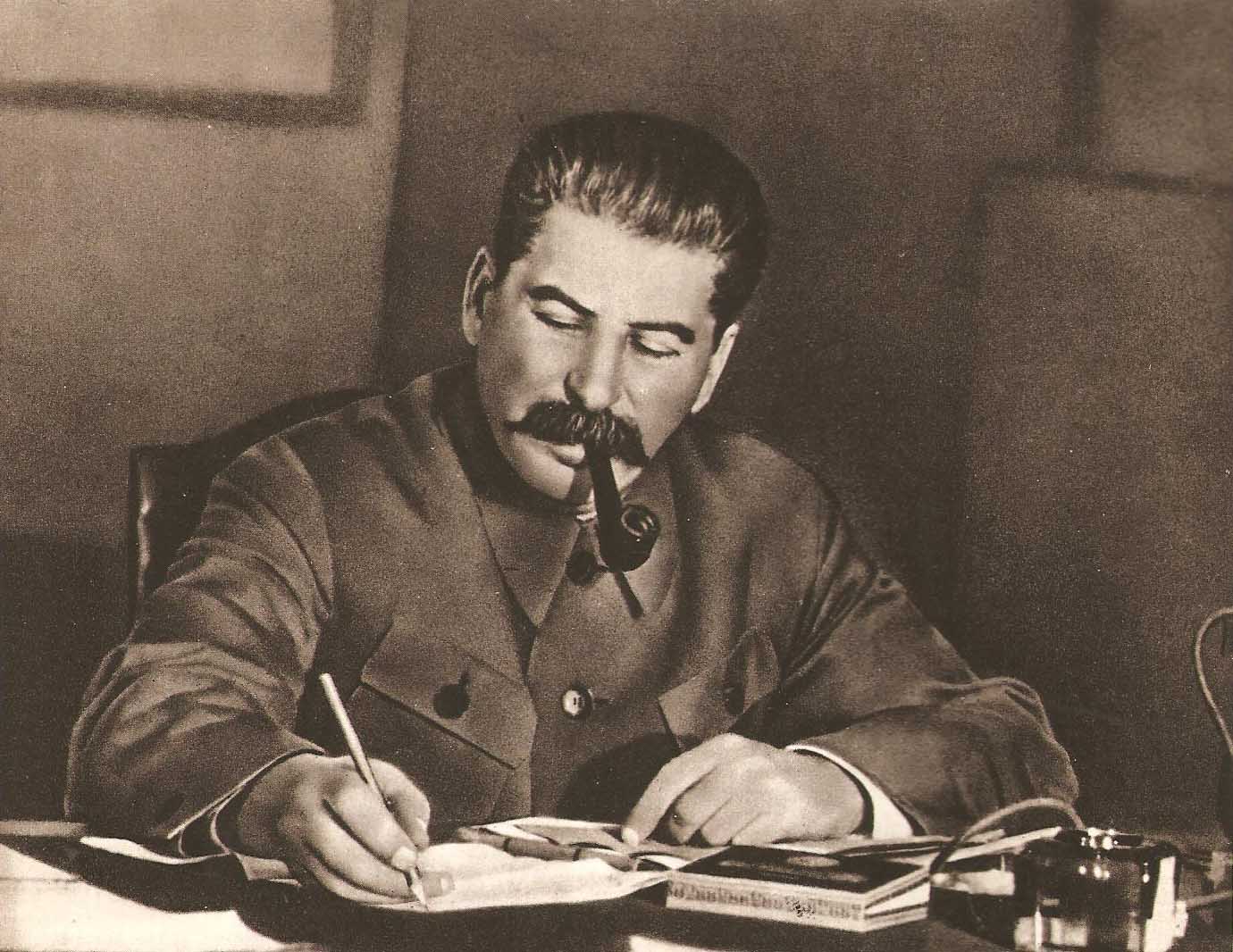
Joseph Stalin (1878-1953)
Casually ordering another execution: Joseph Stalin
Stalin rose to power in Russia after the death of the more brilliant Lenin. He then wiped out all of his enemies, including Zinoviev, Trotsky and a few million others. He cannily made great political capital of carrying on the flame of Lenin, much like Jay-Z does with Biggie.
Now, I would never suggest Jay-Z organised the deaths of the more talented Biggie, Tupac, Big L or Big Pun. But he certainly benefited from a lot of rappers dying just at the time he was starting out in rap. It was, I am sure, all just a terrible coincidence.
Lesson for Jay: Eliminate your enemies.
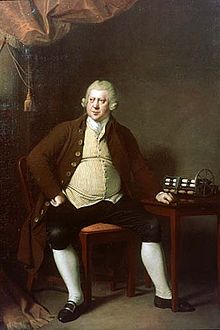
Duplicitous and money-grubbing: Richard Arkwright
Richard Arkwright (1732-1792)
Arkwright was as skullduggerous, money-hungry, thieving bastard as has existed in England, who Jay-Z would no doubt admire greatly. During the Industrial Revolution, he infamously nicked the idea for the spinning frame, patented it, got rich, consigning the actual inventor, Thomas Highs, to the margins of history. This is similar to Jay-Z’s appropriation of Ice-T’s 99 Problems, and nicking part of Nas’s The World is Yours on Dead Presidents, which began their little argument. Lesson for Jay: Nick other people’s ideas.
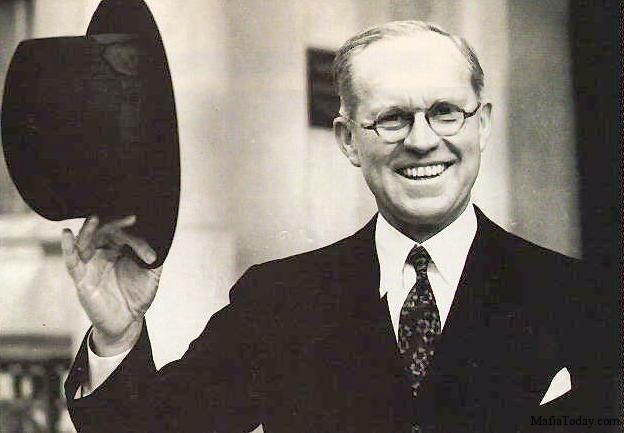
Joe Kennedy: The US ambassador was orignally a bootlegger
Joe Kennedy Snr. (1888-1969)
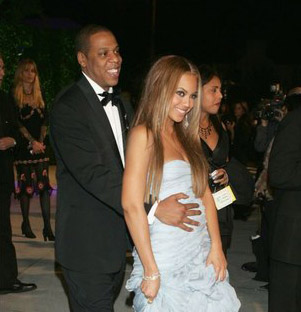
JFK’s dad made his fortune selling bootleg liquor during the Prohibition era, before going legit. This echoes Jay’s youthful business enterprises. Joe also married Rose Fitzgerald, a beautiful woman who was from a powerful political family in Boston. They went on to form the greatest political dynasty in US history, which bears a striking similarity to Jay’s highly strategic marriage to Beyonce. The happy couple have no doubt already plotted a great future for their offspring. Lesson for Jay: Stack your riches, then go straight. Marry into power.
Beyonce and Jay-Z: in love with the Kennedy-esque idea of the career enhancing marriage
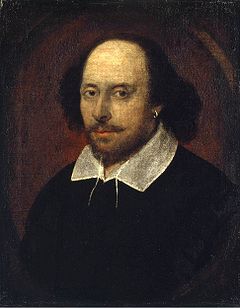
William Shakespeare (1564-1616)
The original Executive Producer. Did Shakespeare write all of Shakespeare’s plays? Of course not. Jay has learnt from the Shakespearean business model and is unconcerned about actually writing his own songs. As Ol’ Bill would no doubt tell Jigga, as long as most people think you wrote something, that’s all that matters. Legacy secured. Lesson for Jay: Claim credit for everything.
Shakespeare: the original Executive Producer
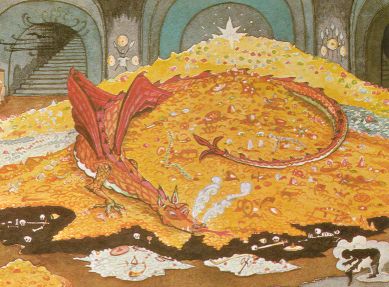
Smaug
A dragon who nicked everyone’s money then sat on it. Lesson for Jay: Nick everyone’s money, then sit on it.
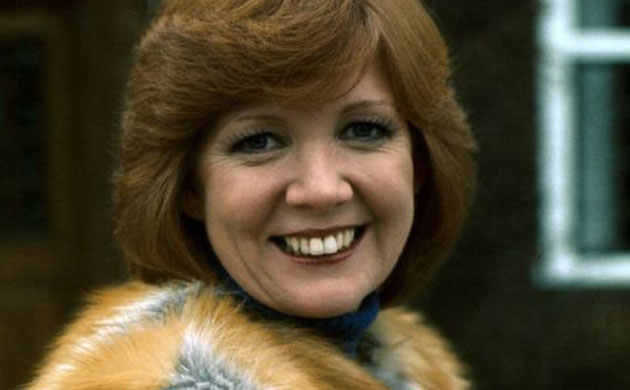
A lorra lorra talent: Liverpool's very own Cilla Black
I recently went on a day trip to Liverpool, in order to go to the Tate. Following directions from the station, I ended up at dockside, where I was welcomed by a biting wind, mist and a deepset drizzle.
I couldn’t see the Tate. In fact I couldn’t see much of anything, but did manage to pick out a large, modern building off in the distance. Thinking this a likely candidate, I set off towards it.
Up close, the building was impressive. A massive, modern stone and glass affair with cantilevered wings which looked very sci-fi, in a civic building kind of way. However, it wasn’t the Tate. It was the Museum of Liverpool.
The inside was even more remarkable. The entry hall was jawdropping, with a huge, circular staircase winding up to the top of the building.
I was initially disappointed with the displays. I thought them simplistic, telling sugar-coated stories of the city’s past which could only be enjoyed by backward eight-year-olds and geriatrics. But then, on reflection, I realised the Museum of Liverpool told a valuable truth: the museum presents a picture of how Liverpool would like itself to be viewed.
Sadly, not everyone will be able to visit the museum and gain these insights, so I have taken the trouble to provide you with a handy summary.
The Museum of Liverpool’s History of Liverpool
As recorded by Richard Purnell
Liverpool is the best place ever, and always has been. Its people, fondly known as Scousers, are unrivalled across land and sea for their wit, pluck, friendliness, and ability to say ‘like’ at the end of sentences in a way that sounds as if they are coughing up phlegm.
Everything that comes out of Liverpool is brilliant, and better than anything Manchester has done. Liverpool started music, with the discovery of the Merseybeat sound in the 1960s. Out of this came the three best bands in the world, ever: the Beatles, Gerry & the Pacemakers, and Cilla Black.
Football was invented in Liverpool, as a pastime for dockers relaxing after a hard day’s strike. Liverpool and Everton football clubs have always shared the league championship between themselves, with homegrown players such as Kenny Dalglish, Alan Hansen and John Barnes proving that Scousers are easily the best footballers.
However, with the advent of the Premier League in 1992, Liverpool and Everton magnanimously decided they would not compete for the title for 20 years. This was done in order to give other clubs the chance to catch up. It is expected they will resume their domination of the league soon.
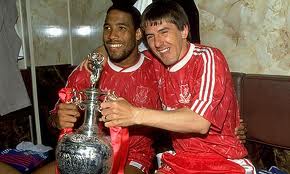
Homegrown talent: Barnes and Beardsley
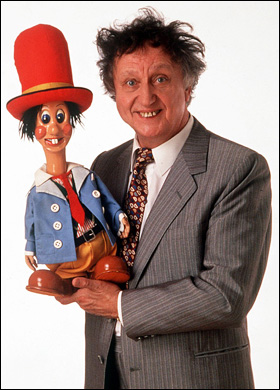
Liverpool invented humour, famously known as Scouse wit. Scousers, needless to say, are the funniest people on earth – you just can’t put one over those plucky Liverpudlians! The funniest comedian ever is Ken Dodd, closely followed by Jimmy Tarbuck. This grand tradition has been carried on by John Bishop, with his oh-so canny observations on British life (and unnervingly large white teeth). Some people say that Tarby, Doddy and Bishopy are not funny. There is a name for those joyless people. They are called Mancunians.
Digested guide
Liverpool = good. Manchester = bad. London = who cares?
Ps: For an adult version of Liverpool’s history go to the Maritime Museum of Liverpool and International Museum of Slavery on Albert Dock. Both are fantastic.
This year, the strange and disturbing event called Movember has gone up a gear. Like winter flu, it appears to be becoming more prevalent.
Friends, colleagues and Twitterers have invited me to join in the Movember ‘fun’.
To each and every one my stance has been firm. Unwavering. I am not going to ‘do’ Movember. Not this year, not ever.
The whole idea is preposterous, and an insult to the noble tradition of moustache-growing in this country. In fact, I would go so far as to say that Movember strikes at the heart of everything that is wrong with this country – what the Sun rightly calls Broken Britain.
The problem stems from the fact that those ill-advised people who participate in Movember grow their moustaches for one month only. Thirty days. And then shave it off.
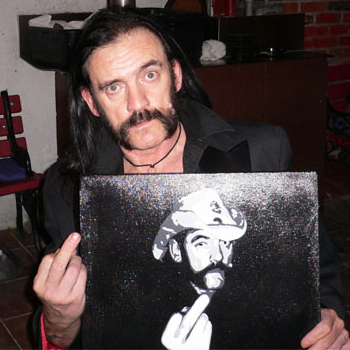
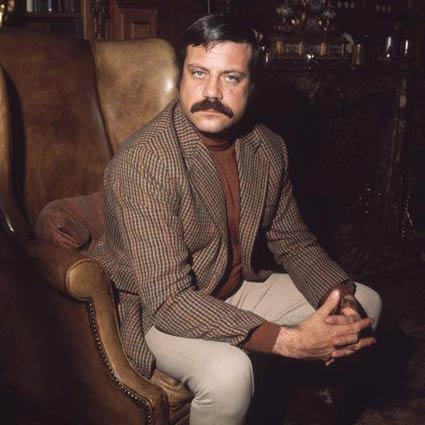
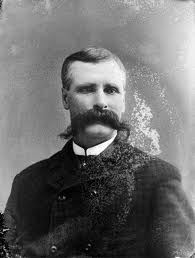
This is half-hearted. No decent moustache has ever been grown in thirty days. You would not find a Lemmy, a Merv Hughes or an Oliver Reed countenancing doing Movember. It is shilly-shallying. Unmanly.
Fortunately Oliver Reed did not live to witness the rise of Movember
I first became aware of Movember when I worked at the Science Museum a few years back. There was a cheerful fellow called Ben Jackson who was getting involved.
He proudly grew the thing, and towards the end of the month had something which was showing promise. Given time, Ben’s moustache had a good chance of becoming luxurious and sweeping.
But despite this sapling promise, he remained set upon shaving the thing off. I could not bear the thought of it. To shave now was akin to drowning a newborn kitten in the bathwater.
I spoke to Ben, man to man. He revealed that he did not want to shave off his moustache. He liked the look of it. It gave him something to stroke without putting his hands down his trousers. But his girlfriend was opposed and had told him that as soon as the month was done to get rid.
So moved was I by this tale of woe I transformed from a semi-comatose Outlook monkey to a Man of Action. That very day, the 29th of November, I asked everyone at work to donate to save Ben’s moustache. Many people were of a like mind and in the notoriously parsimonious corridors of the Science Museum donations of above £75 were received.
At the end of the day, in a small presentation in front of colleagues, I handed over the money.
Ben was overwhelmed. He said he would continue to grow the thing for another month at least. There were hugs, there were kisses. It was emotional.
However, his girlfriend remained an implacable foe – a sort of Skeletor to his He-Man. Every night she was on at him to shave it off.
Don’t rise to the bait, I counselled.
Another week went past and Ben’s upper lip took on new heights of magnificence. If Lord Kitchener had seen him at that point he would have made him an officer on the spot.
A few days later I saw him in the staff kitchen, looking ashen. ‘She says it’s got to go by Christmas,’ he said.
‘She can’t mean that.’
‘She does,’ he quavered. ‘She does mean it. If I don’t have the thing off by Christmas…well.’
‘It is the moustache or her?’
He nodded.
‘Well, Ben,’ I said, realising we had reached the endgame. ‘Only you can decide.’
The next day I went into Ben’s office. It was a painful sight. Where once had been a magnificent hunter-gatherer type now sat a pale, pitiful wretch. The moustache had gone and with it his manly self-esteem.
This sad tale reveals what Movember can do to a man. It shows that we live in an age when the ironic pose is prized more than sustained commitment.
Movember is emblematic of how far we have fallen as a nation since the great days of Empire. If we are ever to recover our battered national pride and recapture the glory days of the past, Movember must go.
"Grow a moustache in thirty days? Whoever said such a thing deserves to be shot!"
“What’s Zumba?” I asked.
“Don’t you know what Zumba is?” said one of the PR girls.
“I haven’t even heard of it.”
“Richard, where have you been? Zumba’s massive.”
“But what is it?”
“It’s sort of like Legs, Bums and Tums, with more dancing.”
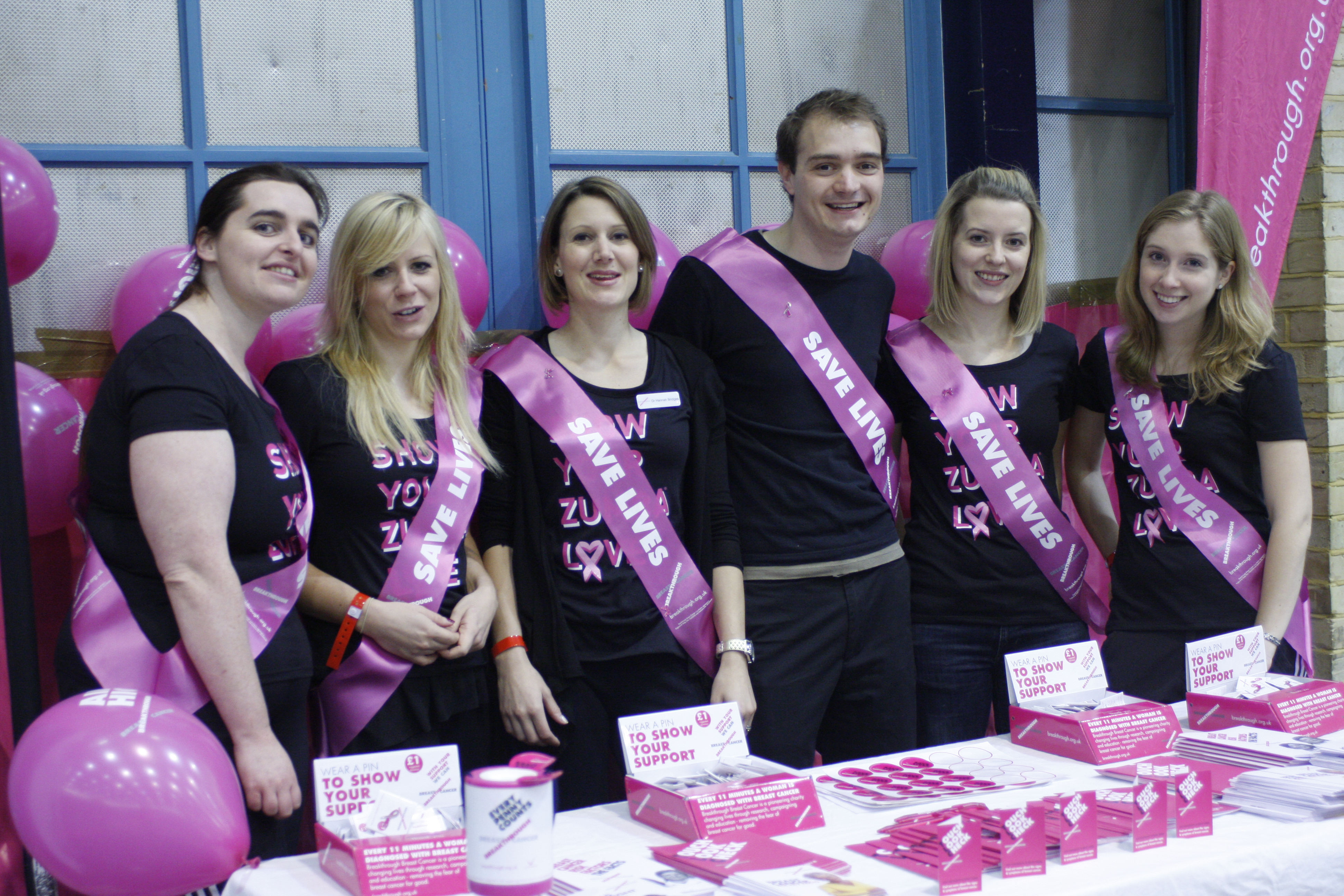
This is just the sort of maddening conversation which I have all too regularly at my job at Breakthrough Breast Cancer. I am the only man in a team of women, and they tend to think that I am slow-witted, or acting slow-witted, or just being irritating.
On my part, I think that they speak in an unfathomable female patois which doesn’t give me the slightest chance of understanding anything.
Normally I would have let the thing pass, but my interest was piqued by the upcoming Zumbathon at Alexandra Palace, London, due to it featuring a performance by Wyclef Jean.
Wyclef is a hero of mine. In the pantheon of great, shamelessly commercial rappers I put him right at the top of the tree.
I love him for lots of reasons. I love that he first came to the public’s attention on the Fugees’ Killing Me Softly video where his main role was saying ‘ONE TIME!’ while filling his face with popcorn.
Then, when Lauryn Hill went off to make one of the greatest albums of all time, in response, Wyclef did a duet with The Rock on the equally timeless It Doesn’t Matter.
I also loved his claim that Brian Harvey of East 17 was the UK’s greatest living singer, a statement as bizarre as Pele’s quote at the 2002 World Cup that Nicky Butt was the future of football.
So, with the faintest sniff of a meeting with the great man I declared I would volunteer at the event, taking photos and video with my comrade, Chris Joseph.
Chaps: Want to wear a pink sash to work? Join Breakthrough Breast Cancer
Arriving at Alexandra Palace, it was clear this was a massive event. It was a 3,500 sell-out and many of the women were wearing official Zumba merchandise. They looked a bit like football fans, except with more tassles.
To my surprise all the talk in the entrance hall was not of Wyclef, but Beto. He is the man who invented Zumba and, according to a Zumba official, “Women go crazy, start crying when they see Beto. He does so much for them. Beto changes lives.”
This now seemed less like a cuddly charity event, and more like a personality cult, with Wyclef as court jester.
We went down to the VIP area, where there was a strong early 2000s vibe with Gail Porter, Rachel Stevens and Charlie Brooks in attendance. The only person you could say was ‘of the moment’ was The Only Way Is Essex breakout star Amy Childs.
The best of friends: Wyclef and Beto
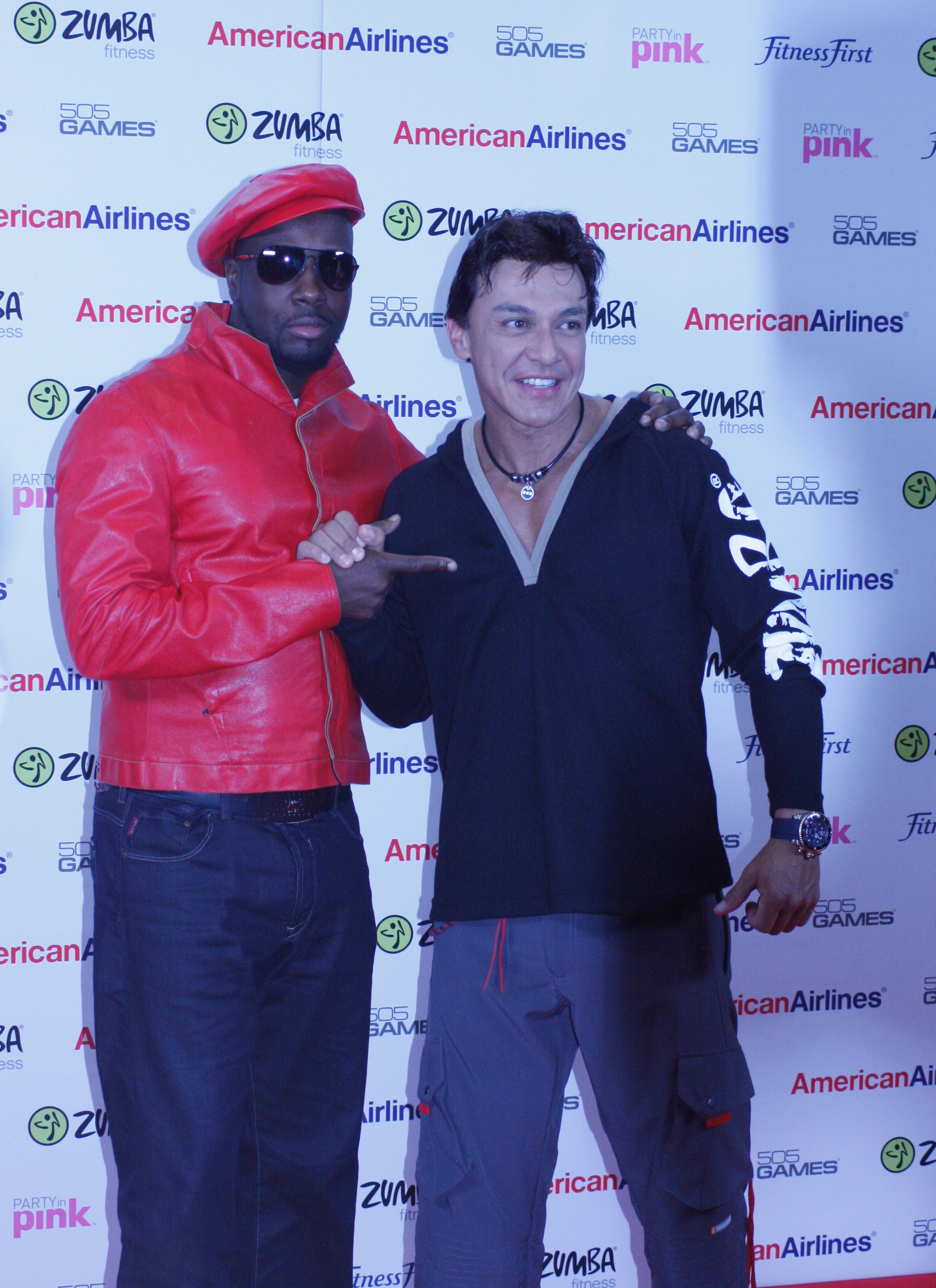
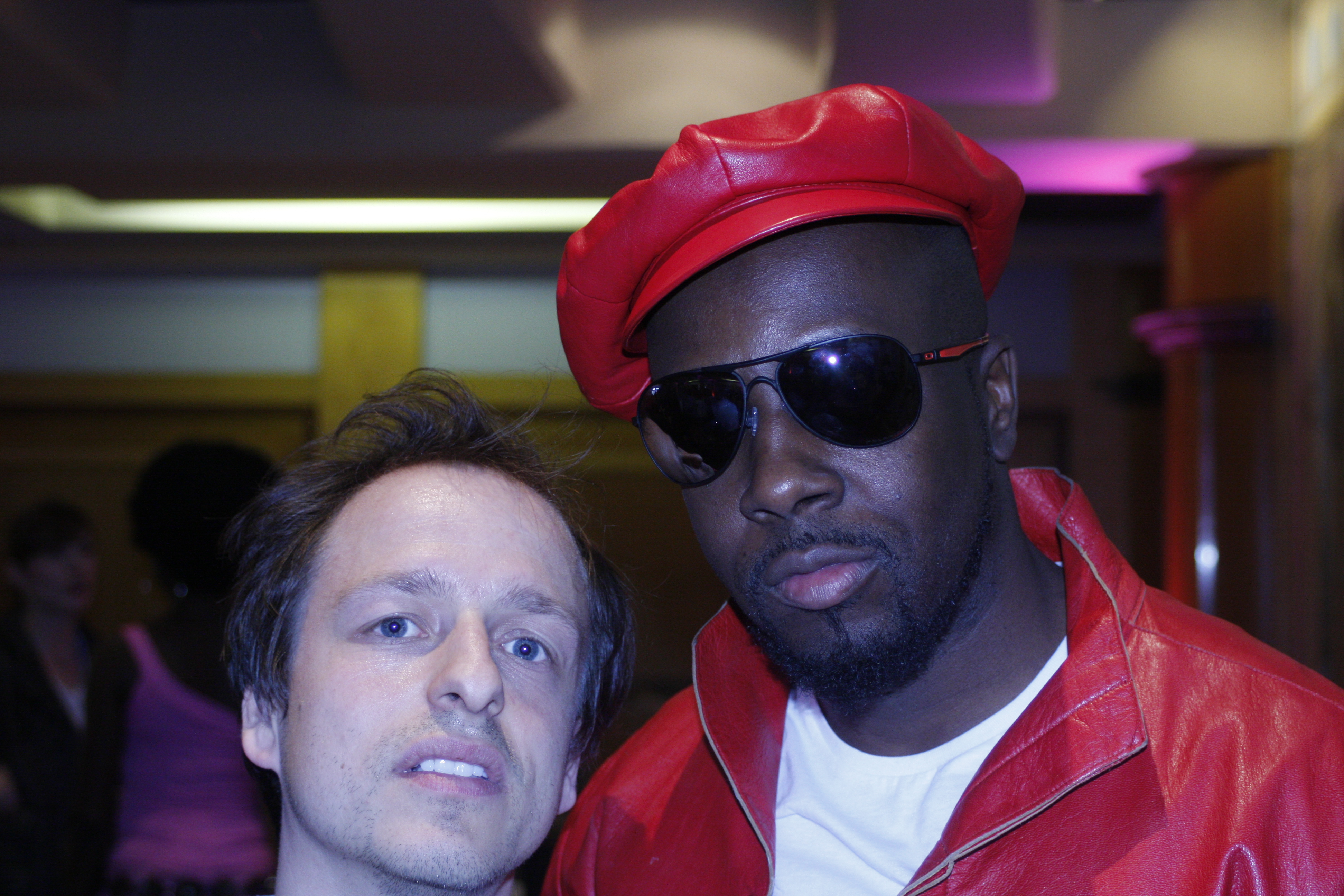
Then the A-listers arrived. Wyclef, in a fabulous red leather jacket with hat to match, and Beto, who looked like a slightly less camp Ricki Martin. They posed for photographers, going through the cheesy photo repertoire, including the ‘Wow! That was the funniest thing ever!’ pose, the ‘THAT guy!’, and, of course the ‘Back-to-back.’ Wyclef even treated us to the coquettish ‘one-arm-of-sunglasses-in-mouth’ pose. It was a masterclass.
Beto posed with Amy Childs, where their mutual respect of each other’s chests was for all to see, and meanwhile Wyclef was DOING INTERVIEWS. I put a bid in to the Zumba apparatchik for a minute of the his time for the charity, to which they agreed.
Simply the chest: Amy Childs and Beto
He spoke with Press Association and a woman who looked like she’d just stepped out of a David Guetta video. Then I was introduced to Wyclef and he was saying, ‘it’s a pleasure to meet you,’ with manners which would have pleased the Victorians.
We got him mic’d up and he reeled off an eloquent justification of why Wyclef and Zumba and breast cancer charity work made total sense (naturally referring to himself in the third person). I spent my time with him sycophantly nodding and smiling, while idly wondering how much he was earning from this unlikely partnership.
There was a million questions I wanted to ask him, not least the Brian Harvey matter, but suffering a dose of cowardice I satisfied myself with a handshake and a photo, before he sauntered off to the next interview.
We then got into the main hall, when proceedings were just getting under way. Beto arrived on stage in a cloud of dry ice, Latin dance music pumping, big grin on his face, with a troop of incredibly beautiful Latin American dancers. The party had started.
Zumba, I now saw, is a mixture of fitness class, dancing, Latin music and a very American, cuddly form of commerce. But mostly Zumba is a craze, like the Charleston, the hula hoop and rollerblading.
I know it is a craze because there were 3,500 women dancing loco. Which, as my close personal friend Wyclef would tell you, doesn’t make them hoes, no.
I was slouched outside Hastings Magistrates’ Court, reporter’s notebook in hand, when I saw a kid I knew. He was a foster child who lived with the family of one of my friends. He was 16, but looked younger. Last time I’d seen him we’d been fooling about at a party, enjoying the traditional manly pleasures of the belly-slap and rough-and-tumble.
‘Hello, Rich!’ he said brightly.
‘Alright, mate!’ I rejoined.
‘What you here for?’
‘Reporting. Nothing special. You?’
‘I smashed this bloke’s window.’
‘Why did you do that?’
‘I was walking past and he was looking at my girlfriend. So I smashed his window.’
He showed me the cuts he had on his wrist from the incident.
‘Oh, mate,’ I said with a sigh. ‘You shouldn’t’ve done that. You know that, don’t you?’
‘I know, Rich. But I just don’t give a fuck.’
Two
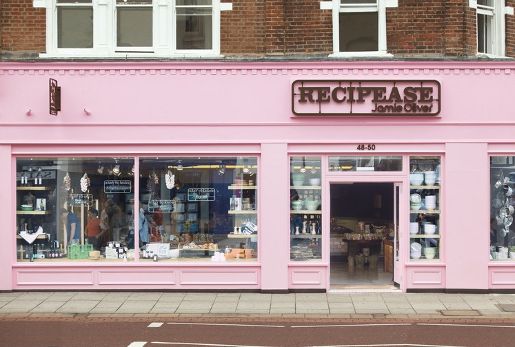
I’m on a team away day at Recipease, Jamie Oliver’s horribly punning shop/eatery/cookery establishment in Clapham Junction. We are there to be taught how to make spinach and ricotta tortellini by a Jamie-approved cheeky-chappy Irishman. He suggests that before we start cooking, we have a look at some of the great food and cookery items on sale, some at a discount.
Wine is brought and we sit and have a glass at rustic tables, where Jamie’s books are casually placed.
‘This is nice,’ says someone.
‘This is nice,’ says another.
‘This is nice,’ says a manager.
‘This is revolting,’ I think.
I wander around this suffocatingly-branded heaven and stroll to the front of the shop, where I look out and see a Starbucks and a Waitrose. A familiar feeling of hate and self-loathing rises up inside.
Did Jamie Oliver's Recipease eatery inspire the disenfranchised youth of Clapham Junction to riot?
Three
Hastings Magistrates’ Court. I’ve been in a session, hearing a 14-year-old boy get sentenced after breaking the terms of his Asbo. He’d stolen a car, gone for a ride and crashed into a wall, seriously injuring himself and two of his mates.
In normal youth court you are not allowed to name the youth involved in order to protect the child’s identity. But for Asbos, publicity is part of the deal, even for kids. Name and shame. Teach them a lesson. A nice front page lead for Purnell.
I strolled out of the court, and get stopped by a small kid with a lot of gel in his manky hair.
‘Were you in court?’
‘Yes.’
‘What did Jake get?’
’22 weeks.’
’22 weeks.’ he paused for thought. ‘What’s that? Five months. He’ll do half, be out in two-and-a-half. Not bad.’
We shake hands and he gets on his mobile to excitably tell his mates the verdict.
Four
I’m at a friend’s party in Battersea. We used to be reporters together in Hastings. Now we are in London and it feels good to have that connection with my recent past.
However, we are on slightly different social strata. I went to comprehensive school; she went to public school. I went to Leicester University; she went to Bristol. I’m living with a journalist who works at the Daily Express; she’s living with a journalist who works at the Daily Telegraph.
As soon as I arrive the necessary and sufficient questions are asked by smirking, chino-wearing men.
‘Where do you work?’
‘What university did you go to?’
They know, instinctively, that I did not go to Oxford or Cambridge or Bristol. They know I am not earning as much as them. Still, they like to have the point underlined, just to be sure, just for fun.
Once they’ve established I am not worth talking to, they ignore me. I’m left on my own, telling myself not to do something bad, so I don’t embarrass my friend. I drink punch and pretend to be interested in the DVD collection, wondering when it would be polite to leave.
Eventually another girl from Hastings arrives. We spend the rest of the evening on our own, out on the balcony, happy in our lower-middle-class ghetto.
Five
Monday 8 August 2011. I am walking through Brixton. Police are everywhere. The town centre is blocked, the tube station closed, so I get on a bus. When I see the devastation, I think: good.
A suit on my bus, shocked to the core, takes a picture of a smashed-up bus stop on his iPhone. I think: prick.
Tuesday night, 8pm. I catch a bus from Brixton. Everything is shut, even the fried chicken shops. On the bus I see men outside blocks of flats, having a beer, having a smoke, making sure.
Wednesday. Laura from the Ritzy emails, saying they are back open and can I host the open mic tonight? I tell her it is folly – none of my nice audience will show up so soon after the riots.
‘Let’s do it anyway,’ she says.
I get down there after work, heavy of heart, angry at everything and nothing. I stick Dexy’s Midnight Runners on. If it’s the early ’80s all over again, may as well do the job properly.
Laura greets me on arrival, says two Brazilian dancing girls have been in touch. Is it okay if they perform?
Well…all right.
A soul singer arrives and we get chatting about the early years of Mariah Carey, a subject on which I speak very impressively. A couple of kooks arrive to play blues, a shabby spoken word artist arrives, a comedian, an Asian singer whose been before.
We get going. I do a poem about Hastings, about those early days when I was happy getting paid £10,000 a year to report on the lower echelons of our finely stratified society. People are listening, small smiles of recognition on some of the faces.
Our soul singer opens. Turns out she’s good, really good. Everyone is performing well, everyone is happy, and those layers of hate and loathing start to peel off of me.
We take a break and I clear the stage for the dancing girls. I get everyone – even those cool people in fine clothes looking thoughtful over laptops – upstairs to watch.
Then, when the place is full, and buzzing, I get the soca rhythms on, make the introductions and the dancing girls, wearing full carnival costume, by which I mean virtually nothing except a lot of make-up and enormous, brilliant head-dresses, and the clapping and dancing begins as they shake and dance with visceral energy, shaking and bouncing, head-dresses brushing the ceiling, men drinking beers quickly to hide their feelings, and it is a party, a party, reminiscent of Rio, reminiscent of Brixton on any particular evening. Seventy-two hours after the riots, everything is forgotten.
Yeah, great news today. Really great news. Amazing news.
The UK’s biggest-selling newspaper has been shut down. 200 journalists are out of work. A dying industry is shoved nearer to the grave.
So, great news.
You know things are going badly wrong when Max Mosley is all over the TV, crowing. And Hugh Grant. Even Ed Milliband had the confidence to come out and say something vaguely approaching an opinion. (He thinks someone did something wrong. Possibly.)
The News of the World did some bad stuff. Okay. If Andy Coulson needs to get dragged through the streets of London tied to the back of Hackney cab, then hung, drawn and quartered, his head put on spike as a warning to hacks, I’m cool with that.
But the killing off of a newspaper, a don’t give a fuck, punk rock, let’s have a go at the bastards newspaper that skewered the reputations of, off the top of my head, Max Mosley, Boris Johnson, John Higgins, Fergie, Sven, Pakistan cricket and Paul Burrell. I am not cool with that.
The Screws brought you this stuff, with gusto, on a Sunday, when you’ve got a hangover and are loading up on carbs and fats at the breakfast table.
All the folk reading the broadsheets got the story a day later, rehashed from the original with a few literary allusions thrown in to shine the shit their readers could not bear to read from the original source.
What the Screws delivered was what the British public, minus the hacking into dead children’s phones, wants. And how do I know? Because over one in ten people in this country read the thing. How many read the Observer? No one, apart from a few in Stoke Newington, and some old lefties in nursing homes.
I can’t help feeling all of those who are really happy about the demise of the News of the World fit into one of three categories:
1. Those who have genuinely suffered at the hands of the Coulson / Wade axis.
2. Those who still hold a grudge against Murdoch for what happened with the printers’ unions back in the 1980s.
3. Ignoramuses who understand nothing about the value of a free Press pursuing a story in the public interest (or just because it is a bloody good story).
I don’t think Nick Davies, the fabulous journalist who has pursued this story for years in the Guardian, can be happy about the Screws being closed down. He wants good journalism, campaigning journalism. Coulson’s head on a stick, for sure.
But if genuinely terrible people like Max Mosley and Hugh Grant get their way, this could lead to a shackled Press, fearful of pursuing stories because of the possible comeback. That no journalist would want.
I used to be a journalist, on a local paper. I’ve found that anyone who has been a journo for any length of time is essentially of the same breed. Nosey, gossipy, sweary, interested in asking questions for the sake of it, interested in stories for the love of it. Totally unable to work unless there is a looming deadline, a malevolent editor hoving into view.
I always knew, as a reporter, that people did not trust you. They thought you cynical and dirty. Then, much more often than not, told you everything you needed to write a good page lead. And loved that little bit of publicity for themselves.
The first principle of journalism is that bad news is good news. If there is a murder, let it be a crazed swordsman slaying a blonde virgin. If there is a road crash, let it be at high-speed with students, gifted and talented students, out of their minds on meth. If there is a scandal, the more intricate, the more high profile, the more you are able to milk it, the better.
The bitter irony for all journalists, and anyone interested in a free Press, is that the closing of the News of the World is a really, really good story. Perhaps the best story we will have for a long, long time.



 By the factory wall